
Blog
Breast Cancer Awareness Month: Meaning, History, and Controversies


Every October, the world unites under a sea of pink ribbons, campaigns, and heartfelt stories — all in recognition of Breast Cancer Awareness Month. It’s more than a color or a slogan; it’s a powerful movement designed to educate, inspire, and save lives.
The goal of this global initiative is to raise awareness about breast cancer, promote early detection, support patients and survivors, and fund research for better treatments and a potential cure. While it began as a public health campaign in the 1980s, it has since evolved into a worldwide symbol of hope, solidarity, and strength.
However, as the campaign has grown, it has also faced criticism — from concerns about commercialisation and “pink washing” to debates about whether awareness efforts truly drive medical progress. This article explores every facet: what Breast Cancer Awareness Month means, its inspiring history, and the controversies that surround it today.
What is Breast Cancer Awareness Month?
Breast Cancer Awareness Month (BCAM) is observed worldwide every October to increase understanding of breast cancer and the importance of early detection. During this time, health organisations, charities, survivors, and individuals come together to share knowledge, encourage screenings, and honour those affected by the disease.
The initiative highlights crucial steps such as:
- Regular self-examinations for early signs.
- Mammograms and professional checkups.
- Education about risk factors and prevention.
- Support networks for patients, survivors, and families.
The Pink Ribbon: A Global Symbol of Hope
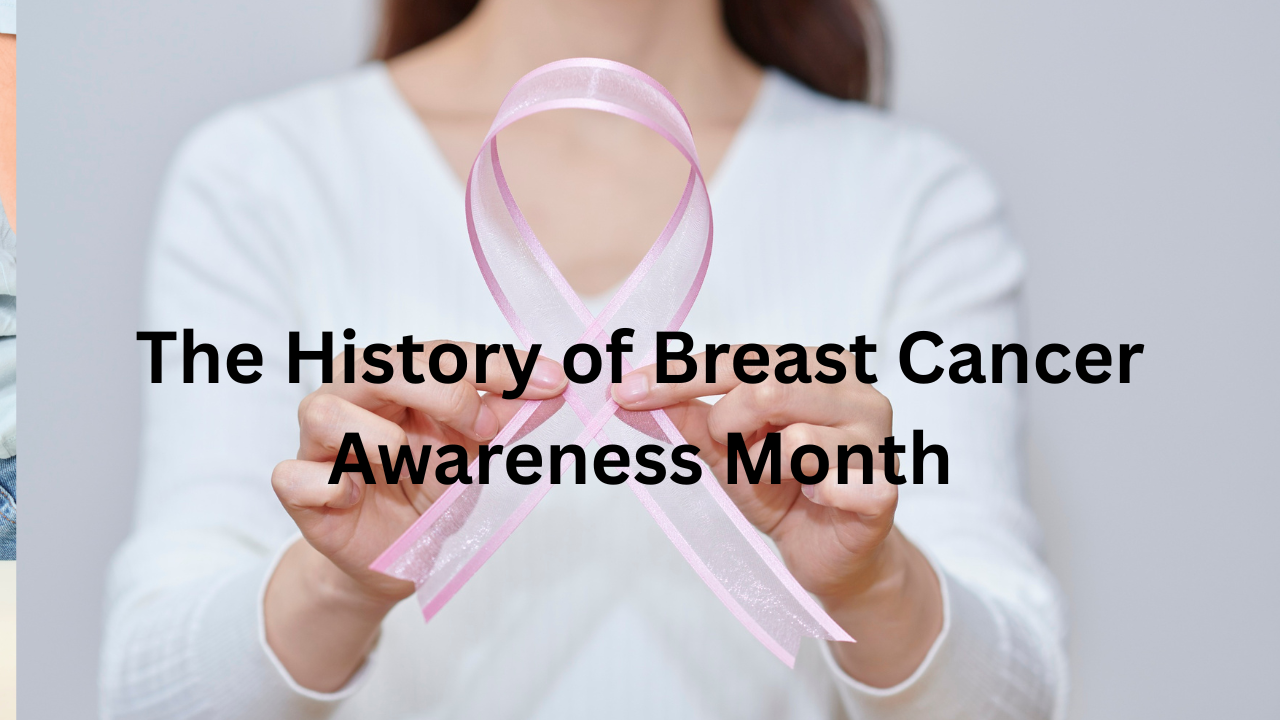
The pink ribbon is the universal symbol of breast cancer awareness. It represents strength, unity, and compassion for those affected by breast cancer. From pink clothing and accessories to iconic global landmarks illuminated in pink light, this symbol unites people across borders in a shared commitment to fight the disease.
Key Goals of Breast Cancer Awareness Month
- Early Detection: Encourage timely screening to catch cancer before it spreads.
- Education: Teach people about symptoms, risk factors, and healthy lifestyle changes.
- Support: Provide psychological and financial assistance to patients and families.
- Research Funding: Raise money to improve treatment methods and find a cure.
- Destigmatization: Empower open discussions about women’s health and breast cancer awareness.
Why Breast Cancer Awareness Matters
Breast cancer is one of the most common cancers among women worldwide, though men can also develop it. According to the World Health Organization (WHO), it affects more than 2.3 million women annually, and hundreds of thousands lose their lives to the disease.
Early detection is the most effective way to reduce mortality. When diagnosed at an early stage, breast cancer survival rates can exceed 90%. Awareness campaigns help women understand the importance of regular checkups and teach them to recognize warning signs early.
Breast Cancer Awareness Month also serves as a platform to:
- Celebrate survivors and honor those who lost their battle.
- Promote access to equitable healthcare and screening.
- Encourage donations for ongoing research and innovation.
The History of Breast Cancer Awareness Month
The story of Breast Cancer Awareness Month began nearly four decades ago and has since transformed from a small initiative into a global health movement.
1. The Beginning (1985)
The first Breast Cancer Awareness Month was officially launched in October 1985 through a partnership between the American Cancer Society (ACS) and Imperial Chemical Industries (ICI), a major pharmaceutical company.
The campaign’s primary goal was simple yet powerful: to promote mammography as the most effective weapon against breast cancer.
2. The Rise of the Pink Ribbon (1991–1992)
The pink ribbon became the defining symbol of the movement in the early 1990s.
- In 1991, the Susan G. Komen Foundation handed out pink ribbons to participants in its “Race for the Cure” event in New York City.
- In 1992, Evelyn Lauder, Senior Vice President of Estée Lauder Companies, helped popularize the symbol globally and co-founded the Breast Cancer Research Foundation (BCRF) to fund cutting-edge research.
The pink ribbon soon became a universal emblem of hope and strength — worn by millions around the world each October.
3. Expansion to a Global Movement
By the late 1990s, Breast Cancer Awareness Month had spread globally. Governments, charities, and celebrities began to support the cause through events, walks, and massive fundraising campaigns.
Landmarks like the White House, Eiffel Tower, and Sydney Opera House were lit in pink, showing global unity.
4. The Digital Revolution (2010s–Present)
With the rise of social media, Breast Cancer Awareness Month entered a new era. Hashtags like #Pinktober, #ThinkPink, and #BreastCancerAwareness connected millions of people online. Survivors shared their journeys, influencers used platforms for education, and brands launched digital fundraising drives.
The campaign’s visibility grew exponentially, turning awareness into a global cultural moment every October.
How Breast Cancer Awareness Month is Celebrated
Throughout October, a variety of activities take place worldwide to honor Breast Cancer Awareness Month:
1. Awareness Campaigns
Health organizations, NGOs, and hospitals launch nationwide campaigns to educate the public about breast cancer symptoms, screenings, and treatments. Informational booths, seminars, and workshops are organized in schools, offices, and communities.
2. Fundraising Events
Walkathons and runs — such as the “Race for the Cure” — bring together survivors, families, and supporters. The proceeds fund cancer research and patient support programs.
3. Pink-Themed Events
Corporations, sports teams, and celebrities participate by wearing pink ribbons, decorating offices, and holding themed events to spread awareness.
4. Social Media Movements
Hashtags like #BreastCancerAwarenessMonth and #FightLikeAGirl dominate platforms like Instagram, TikTok, and Twitter. Survivors share their personal stories to inspire others and encourage self-examination.
5. Screening Drives
Many hospitals offer free or discounted mammograms during October, helping thousands of women detect cancer early.
Understanding Breast Cancer
Breast cancer occurs when abnormal cells in the breast grow uncontrollably, forming tumors that can invade surrounding tissue or spread (metastasize) to other parts of the body.
Common Symptoms
- Lump or thickening in the breast or underarm area
- Changes in breast size or shape
- Nipple discharge (other than breast milk)
- Redness, scaling, or dimpling of breast skin
Risk Factors
- Family history of breast cancer
- Genetic mutations (BRCA1 and BRCA2)
- Obesity and poor diet
- Hormonal therapy or birth control use
- Smoking and alcohol consumption
Early diagnosis through self-exams and mammography greatly improves survival chances.
The Controversies of Breast Cancer Awareness Month
Despite its noble purpose, Breast Cancer Awareness Month has been the subject of major criticism over the years. Many advocates believe that the campaign’s original message has been diluted by corporate marketing and superficial activism.
1. The “Pinkwashing” Problem
“Pinkwashing” describes companies that market pink-themed products claiming to support breast cancer awareness — but donate little or none of the profits to actual research or charities.
Some products even contain chemicals linked to cancer, which creates a stark contradiction.
For example, food or cosmetic brands may release pink-packaged items during October without transparency about how funds are used. This has led to skepticism about whether these campaigns genuinely help the cause or exploit it for profit.
2. Awareness Without Action
While awareness is valuable, critics argue that the campaign often focuses more on marketing than on measurable change. Millions recognize the pink ribbon, yet many still lack access to affordable healthcare or mammograms — especially in low-income or developing countries.
Activists call for a shift from “awareness” to “action”, urging governments and companies to invest in research, prevention, and equitable healthcare systems.
3. Lack of Diversity and Inclusion
Historically, breast cancer campaigns have been dominated by white, middle-class women’s stories, overlooking the experiences of women of color, LGBTQ+ individuals, and those from marginalized backgrounds.
However, data shows that Black women are 40% more likely to die from breast cancer compared to white women, even with similar diagnosis rates. This disparity highlights the need for more inclusive outreach and culturally relevant education.
4. Survivor Fatigue and Emotional Impact
For survivors, October can be emotionally exhausting. While public attention peaks, some feel the message becomes too commercial or trivialized — with slogans like “save the tatas” or “boobies awareness” that can undermine the seriousness of the disease.
Many survivors prefer campaigns that focus on compassion, education, and funding rather than glamorized pink merchandise.
Positive Outcomes and Global Achievements
Despite controversies, Breast Cancer Awareness Month has achieved remarkable success in raising public consciousness and saving lives.
1. Increased Screenings
Millions of women worldwide now get regular mammograms, leading to earlier detection and better treatment outcomes.
2. Greater Research Funding
Organizations like the Breast Cancer Research Foundation (BCRF), Susan G. Komen, and Cancer Research UK have raised billions for research, innovation, and support services.
3. Global Solidarity
The pink ribbon movement has created a strong global community that celebrates survivors, honours those lost, and empowers women to take control of their health.
How to Support Breast Cancer Awareness Month
If you want to contribute meaningfully to the cause, here’s how you can help:
- Donate Directly: Support transparent organizations such as the American Cancer Society or BCRF that clearly state how donations are used.
- Volunteer: Participate in local awareness walks, hospital visits, or survivor support programs.
- Educate Others: Share credible information about breast cancer symptoms and prevention methods.
- Avoid Pinkwashing: Choose products and brands that genuinely contribute to the cause.
- Encourage Screenings: Remind loved ones to get regular checkups and mammograms.
- Advocate for Equality: Support policies that make cancer screening and treatment affordable for everyone.
Conclusion
Breast Cancer Awareness Month stands as one of the most powerful health awareness campaigns in modern history. It has helped millions understand the importance of early detection, supported research breakthroughs, and fostered compassion for those affected.
Yet, as the movement grows, it must evolve — from simple awareness toward authentic action, inclusivity, and accountability. The true spirit of this month lies not in pink products but in saving lives, empowering patients, and ensuring that every woman — regardless of background — has access to care, education, and hope.
Every October, when the world turns pink, let it be a reminder: awareness saves lives,
Please read the related post:How to Choose Your Perfect Bra Size