Blog
How Often Should You Replace Your Bra? A Complete and Detailed Guide


Bra are an essential part of daily wear, yet they are often overlooked when it comes to replacement. Many women continue wearing bras long after they have lost their shape and support, simply because they still look acceptable on the outside. However, a bra’s real purpose is comfort and support—and once these are compromised, it’s time for a change. This detailed guide explains how often you should replace your bra, why it matters, and how to know when replacement is necessary.
Understanding the Lifespan of a Bra
A bra is made from elastic fabrics designed to stretch, lift, and support. Over time, these materials weaken due to regular wear, washing, sweat, body oils, and environmental factors. Even premium bras are not built to last forever. The average lifespan of a bra depends on how often it is worn, how many bras you rotate, and how well it is cared for.
Most bras are designed to maintain optimal support for 180 to 200 wears. Once this limit is reached, the bra gradually loses its ability to provide proper fit and comfort.
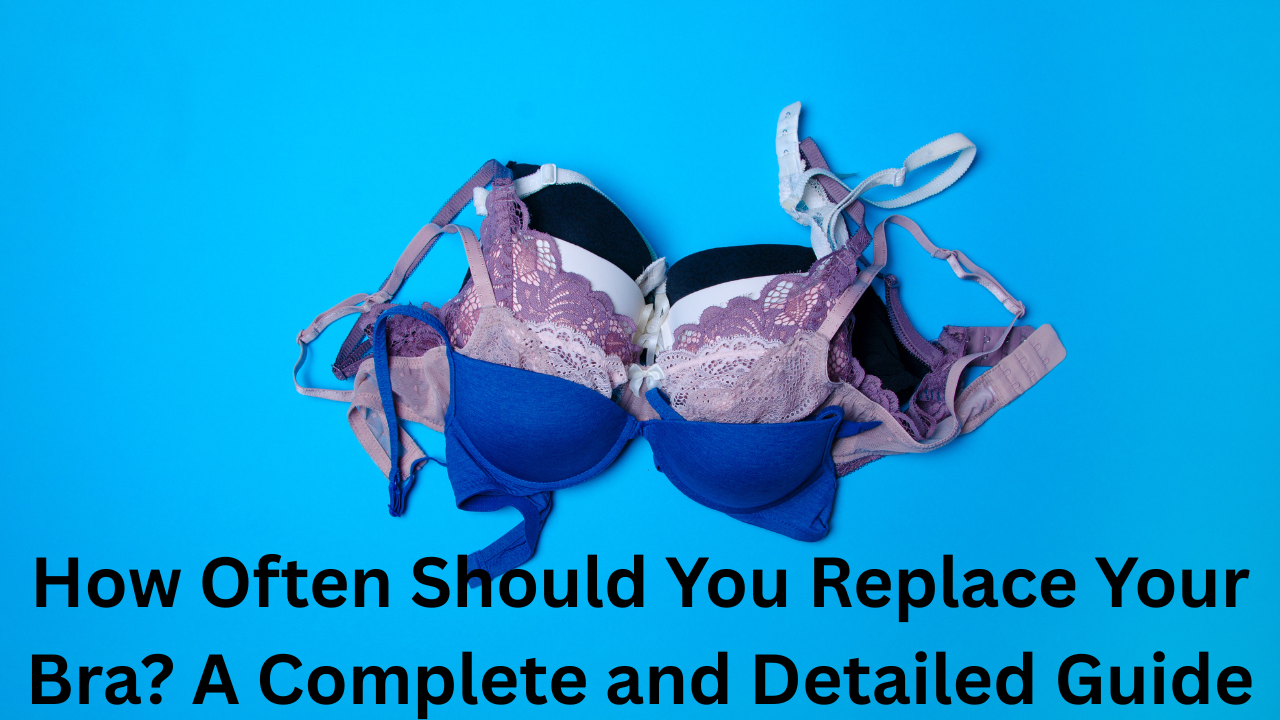
How Often Should You Replace Your Bra?
In general, bras should be replaced every 6 to 12 months. However, this timeline varies depending on usage and lifestyle.
Replacement Timeline by Bra Type
- Everyday bras: Replace every 6–9 months if worn frequently
- Rotated bras (multiple in use): Can last up to 12 months
- Sports bras: Replace every 4–6 months due to heavy stretching
- Minimizer bras: Replace every 6–8 months
- Occasional or special-occasion bras: Can last over a year with limited use
If you wear the same bra multiple times per week, it will wear out faster than one worn only occasionally.
Bras: Why Regular Bra Replacement Is Important
Wearing an old or worn-out bra can lead to several issues that affect both comfort and health.
1. Loss of Proper Support
When the elastic weakens, the bra can no longer lift or support the breasts properly. This may cause discomfort and a sagging appearance over time.
2. Posture Problems
A poorly supportive bra can strain your shoulders, neck, and back, contributing to poor posture and muscle tension.
3. Skin Irritation
Old bras often develop rough seams, stretched fabric, or broken underwires that can rub against the skin, leading to redness, itching, or rashes.
4. Reduced Confidence
A well-fitted bra enhances clothing fit and appearance. A worn-out bra may make outfits look unflattering, affecting overall confidence.
Clear Signs It’s Time to Replace Your Bra
Your body and your bra provide clear signals when it’s time for a replacement.
- The band rides up your back
- You must tighten the straps constantly
- Cups feel loose, wrinkled, or misshapen
- Underwires poke or dig into the skin
- The bra no longer feels comfortable after a few hours
- The fabric has lost firmness or elasticity
If you notice one or more of these signs, your bra is no longer doing its job.
How Many Bras Should You Own?

Owning multiple bras extends their lifespan and improves comfort.
Ideal Bra Collection
- 3–5 everyday bras
- 1–2 sports bras
- 1 strapless or special-occasion bra
Rotating bras allows the elastic fibers time to recover between wears, preserving shape and support.

The Impact of Washing on Bra Longevity
Improper washing is one of the biggest reasons bras wear out quickly.
Best Washing Practices
- Hand wash whenever possible
- Use cold or lukewarm water
- Choose a gentle detergent
- Avoid twisting or wringing
- Air dry instead of using a dryer
Machine washing and heat damage elastic fibers, significantly shortening a bra’s lifespan.
How Body Changes Affect Bra Replacement
Breast size and shape can change due to weight fluctuations, pregnancy, breastfeeding, hormonal shifts, or aging. Even a new bra may feel uncomfortable if your body has changed.
You should remeasure your bra size:
- Every 6 months
- After significant weight change
- After pregnancy or breastfeeding
- If your bras suddenly feel uncomfortable
Replacing an ill-fitting bra is just as important as replacing a worn-out one.
Sports Bras: When to Replace Them
Sports bras endure more stress than regular bras. High-impact movement stretches the fabric rapidly, reducing compression and support.
Signs Your Sports Bra Needs Replacement
- Reduced bounce control
- Loose band or stretched straps
- Fabric feels thin or slack
Most sports bras should be replaced after 30–40 intense workouts or every 4–6 months, depending on usage.
Cost vs. Quality: Does Price Matter?
Higher-quality bras often last longer due to better materials and construction, but no bra is immune to wear. Investing in quality bras and caring for them properly provides better comfort and longer use, but replacement is still necessary over time.
Final Thoughts
Replacing your bra regularly is essential for comfort, health, and confidence. While the general rule is every 6 to 12 months, the real indicator is how the bra feels and supports your body. If your bra no longer fits well, feels uncomfortable, or lacks support, it’s time to let it go.
A well-fitting, supportive bra can make a noticeable difference in your daily comfort, posture, and self-confidence. Listening to your body and replacing bras when needed is a small habit that brings long-term benefits.
Please read the related post: Winter Lingerie Essentials for Women: Stay Warm, Stylish, and Comfortable